
Viewing 421 - 426 out of 571
Article
Newsletter Library
Anesthesia Free Dentistry
Does your dog have stinky breath? Do your cat's teeth look brown? In fact, periodontal disease is the most common disease that pets develop. It is estimated that 80 to 85% of dogs and cats have some degree of infection. It is not just a cosmetic problem, chronic infection shortens their life because
Newsletter Library
Camping With Your Pets
Camping is an increasingly popular activity for families and their pets. Many dogs and some cats enjoy traveling with their families. Here are a few tips to help make your pet's adventure into the great outdoors a success. Research the campground or area that you are planning on visiting. Not all

Newsletter Library
6 Rules to Improve Your Cat's Diet
Do Not Overfeed "Obesity is the most common nutritional disease seen in cats," says Joe Bartges, DVM, PhD at the University of Tennessee's College of Veterinary Medicine. It is a common bad habit for cat owners to feed their cats too much. Cats only need 24 to 35 calories per pound of body weight each

Newsletter Library
All About Hairballs
Does your favorite feline leave you hairballs as gifts? If so, you’re not alone. Although we love cats for being meticulous groomers, it’s safe to say we don’t like finding hairy presents around the house. Let’s explore what causes hairballs and how to prevent them. What Causes a Hairball? Hairballs
Newsletter Library
5 Ways to Protect Your Dog's Hearing
The acuity of your family dog's hearing far surpasses that of humans. Hearing is a critical sense to dogs, and when diminished, will increase dependency on the sense of smell. When a dog hears something, he can hear it without moving his head. Many muscles surrounding the ears help dogs get premium sound
Newsletter Library
Captive Reptiles May Have Nutritional Deficiency
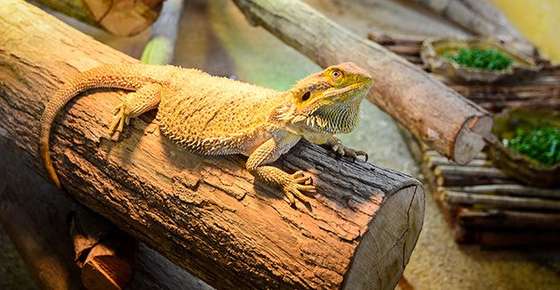
Pet owners keeping reptiles in captivity as household pets may sometimes find that their pets have a nutritional deficiency. Metabolic bone disease is "the most common nutritional deficiency affecting captive reptiles," advises veterinarian Fredrick L. Frye in Reptile Care: An Atlas of Diseases and Treatments.
Page 1
Page 2
Page 3
Page 4
Page 5
Page 6
Page 7
Page 8
Page 9
Page 10
Page 11
Page 12
Page 13
Page 14
Page 15
Page 16
Page 17
Page 18
Page 19
Page 20
Page 21
Page 22
Page 23
Page 24
Page 25
Page 26
Page 27
Page 28
Page 29
Page 30
Page 31
Page 32
Page 33
Page 34
Page 35
Page 36
Page 37
Page 38
Page 39
Page 40
Page 41
Page 42
Page 43
Page 44
Page 45
Page 46
Page 47
Page 48
Page 49
Page 50
Page 51
Page 52
Page 53
Page 54
Page 55
Page 56
Page 57
Page 58
Page 59
Page 60
Page 61
Page 62
Page 63
Page 64
Page 65
Page 66
Page 67
Page 68
Page 69
Page 70
Page 71
Page 72
Page 73
Page 74
Page 75
Page 76
Page 77
Page 78
Page 79
Page 80
Page 81
Page 82
Page 83
Page 84
Page 85
Page 86
Page 87
Page 88
Page 89
Page 90
Page 91
Page 92
Page 93
Page 94
Page 95
Page 96
OUR LOCATION
Find us on the map
Address
1196 Gulf Breeze Pkwy
Gulf Breeze, FL 32561. US
Contact Information
Phone: (850) 932-5534
Fax: (850) 932-3120
Email: parkwayanimalhosp@gmail.com
OFFICE HOURS
Our Regular Schedule
Monday
07:30 am - 06:00 pm
Tuesday
07:30 am - 06:00 pm
Wednesday
07:30 am - 06:00 pm
Thursday
07:30 am - 06:00 pm
Friday
07:30 am - 06:00 pm
Saturday
Closed
Sunday
Closed